
Nestled between the Alps and the Adriatic Sea, Friuli-Venezia Giulia is one of Italy’s most understated yet captivating regions. With its blend of mountains, coastline, historic towns and quiet countryside, it offers exceptional potential for yoga and wellness retreats that feel both authentic and restorative.
Rather than focusing on specific properties, this guide explores the different types of retreat spaces that can work particularly well in and around Trieste and the wider region. Understanding these categories can help retreat leaders make more informed choices when planning an experience that feels aligned with their teaching style and their participants’ needs.

1. Luxury Coastal Wellness Resorts
Along the Adriatic coastline near Trieste, you’ll find high-end resorts that combine refined hospitality with strong wellness infrastructure. These venues are particularly appealing for retreat leaders working with clients who value comfort, design and spa culture.
Typical features often include panoramic sea views, spa facilities, flexible indoor and outdoor spaces for yoga, and terraces ideal for sunrise or sunset practice.
Best suited for: premium retreats, groups seeking comfort and beauty. Ideal group size: 15–35 participants.

2. Purpose-Built Retreat Centres in Nature
Some retreat leaders prefer venues designed specifically for contemplative practice, where architecture, rhythm and environment all support presence and depth. These are often located in quieter mountain or lakeside areas within a few hours’ reach of the region.
These spaces typically offer dedicated yoga rooms, meditation areas, nourishing cuisine and environments conducive to silence and immersion.
Best suited for: longer retreats, teacher trainings, experienced practitioners. Ideal group size: 10–25 participants.

3. Historic Hilltop Villas and Country Properties
The hills around Trieste and the wider Friuli countryside are dotted with characterful villas and restored historic properties. These spaces often offer something increasingly rare: a strong sense of place.
Gardens, terraces, stone architecture and intimate indoor spaces naturally support slower living, connection and embodied practice.
Best suited for: small, intimate retreats with an authentic atmosphere. Ideal group size: 8–16 participants.

4. City-Based Hotels with Wellness Facilities
Urban retreats can be powerful too. In cities like Trieste, some hotels offer adaptable spaces, spas and meeting rooms suitable for yoga sessions alongside cultural immersion.
While less secluded, they offer accessibility, reliable logistics and strong infrastructure.
Best suited for: weekend retreats, cultural-wellness formats. Ideal group size: 10–30 participants.

5. Apartment-Style Retreat Spaces by the Sea
Apartment-style accommodation allows for privacy and flexibility, while still supporting shared practice when combined with communal outdoor areas such as terraces or nearby beaches.
These formats often feel informal, relaxed and community-oriented, though they require more logistical coordination.
Best suited for: longer stays, creative retreat formats. Ideal group size: 8–25 participants.
Essential Planning Considerations
Getting there: Trieste Airport (TRS) is the most convenient for the region, while Venice Marco Polo offers wider international connections. Group transfers significantly improve the arrival experience.
Best seasons: May–June and September–October offer the best balance of weather, availability and atmosphere.
Group experience: The most successful retreats in this region prioritise rhythm, simplicity, nature and meaningful connection.
Related Articles
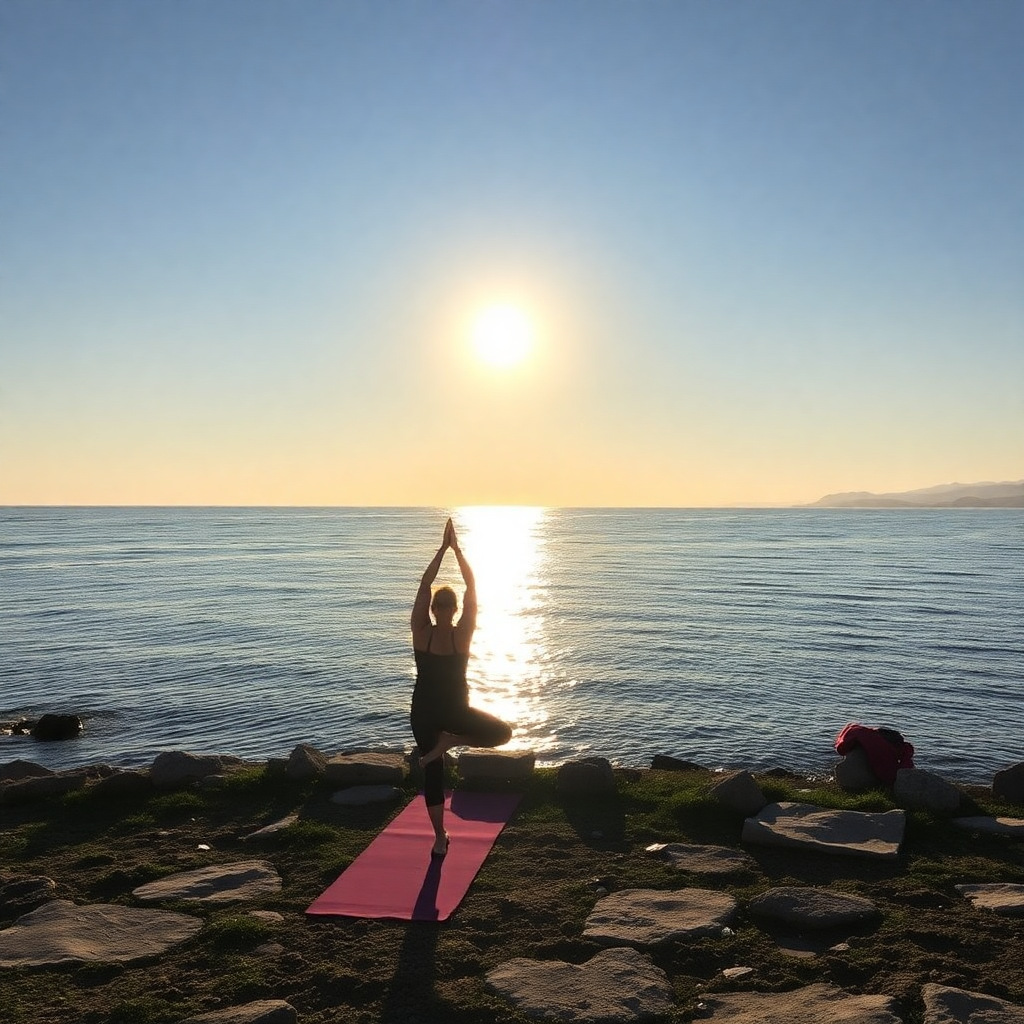
Why Trieste is Perfect for Yoga Retreats
Discover the unique cultural blend that makes this coastal city ideal for wellness experiences.
Read More →
Essential Retreat Planning Checklist
Everything you need to know before booking your Italian wellness retreat venue.
Read More →
Creating Nourishing Retreat Menus
How to work with Italian venues to create healthy, locally-sourced menus for your retreats.
Read More →